10 Essential Hair Care Tips for Healthy, Shiny Hair
Healthy, shiny hair starts with a consistent hair care routine and a few simple everyday habits. Whether your hair is straight, wavy, curly, thick, or thin, the right care can help improve its appearance, reduce breakage, and keep it looking smooth and manageable. Here are 10 essential hair care tips to help you maintain healthier, shinier hair.
1. Choose the Right Shampoo for Your Hair Type
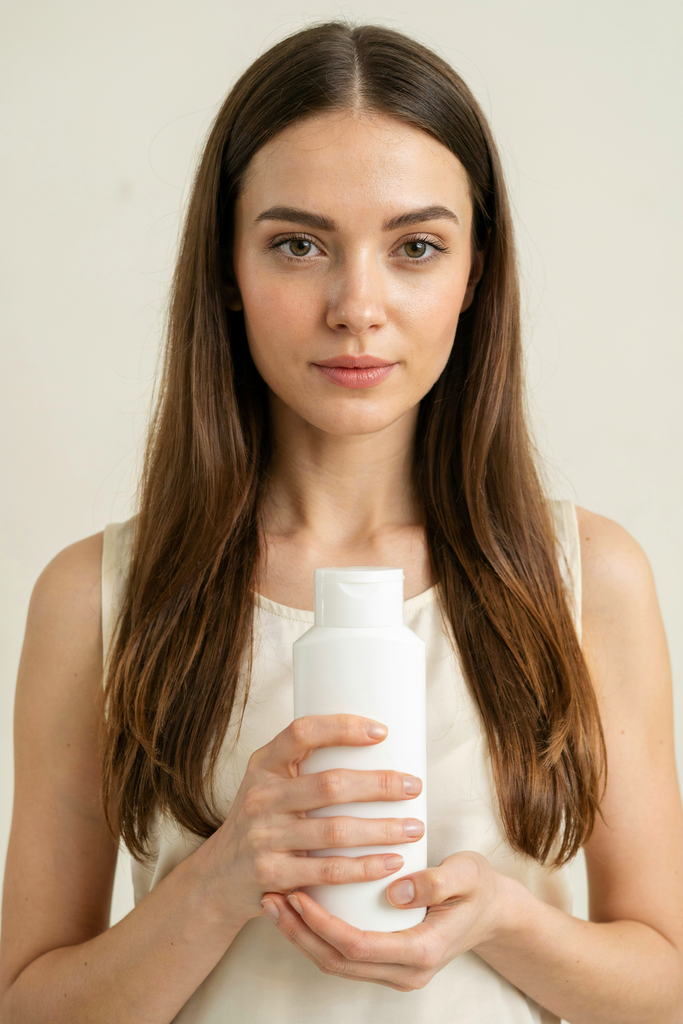
Choosing the right shampoo is an important first step toward healthy hair. Look for a formula that suits your scalp condition and hair type, whether oily, dry, curly, or color-treated. Gently massage shampoo into your scalp to remove excess oil, dirt, and product buildup. Avoid using water that is too hot, as it may leave your hair feeling dry. Rinse thoroughly to prevent residue from weighing your hair down.
2. Condition Your Hair After Every Wash

Conditioner helps soften hair, improve manageability, and reduce friction that can lead to breakage. Apply it mainly to the mid-lengths and ends, where hair is often drier than the roots. Choose a conditioner formulated for your specific hair needs, such as extra moisture for dry hair or a lightweight formula for fine hair. Leave it on for the recommended time before rinsing. Regular conditioning can help your hair look smoother and shinier.
3. Avoid Excessive Heat Styling
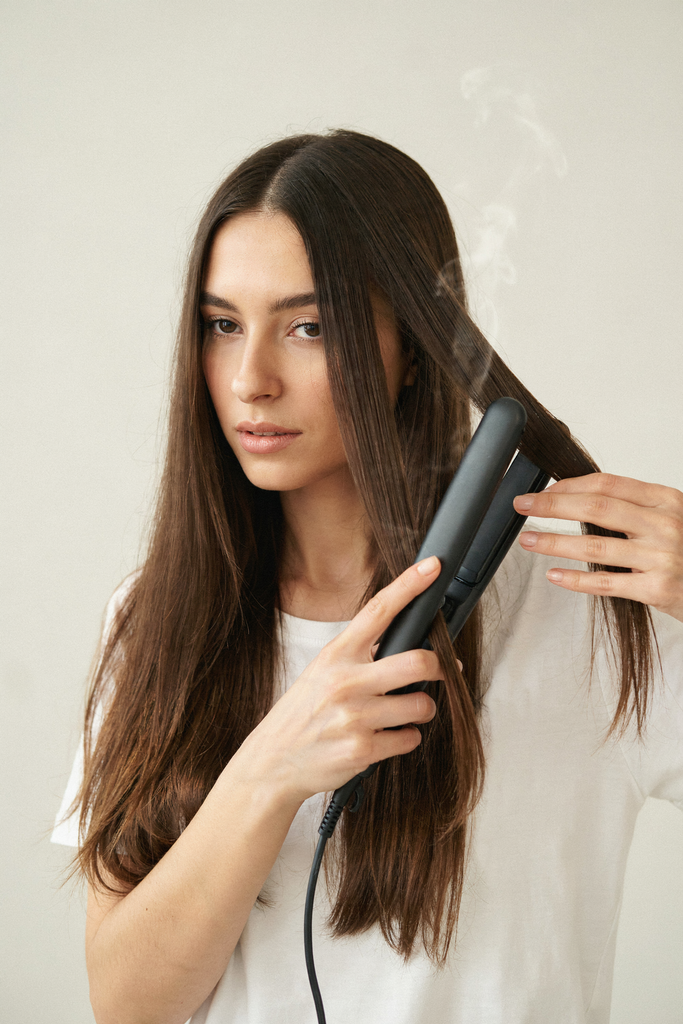
Frequent use of flat irons, curling wands, and hot blow-dryers can damage the hair shaft and contribute to dryness and split ends. Whenever possible, let your hair air-dry or use a blow-dryer on a lower heat setting. Apply a heat-protectant product before using hot styling tools. Keep the tool moving rather than holding it against one section for too long. Reducing unnecessary heat exposure helps preserve your hair’s natural texture and smooth appearance.
4. Eat a Balanced Diet for Healthy Hair

Your diet plays an important role in maintaining normal hair growth and strength. Include protein-rich foods such as eggs, fish, beans, yogurt, and lentils to support healthy hair structure. Foods containing iron, zinc, and other essential nutrients also contribute to overall hair health. Fruits, vegetables, nuts, and seeds can help you maintain a varied, balanced diet. Avoid taking high-dose hair supplements without professional advice, as excess amounts of certain nutrients may actually contribute to hair loss.
5. Brush Your Hair Gently
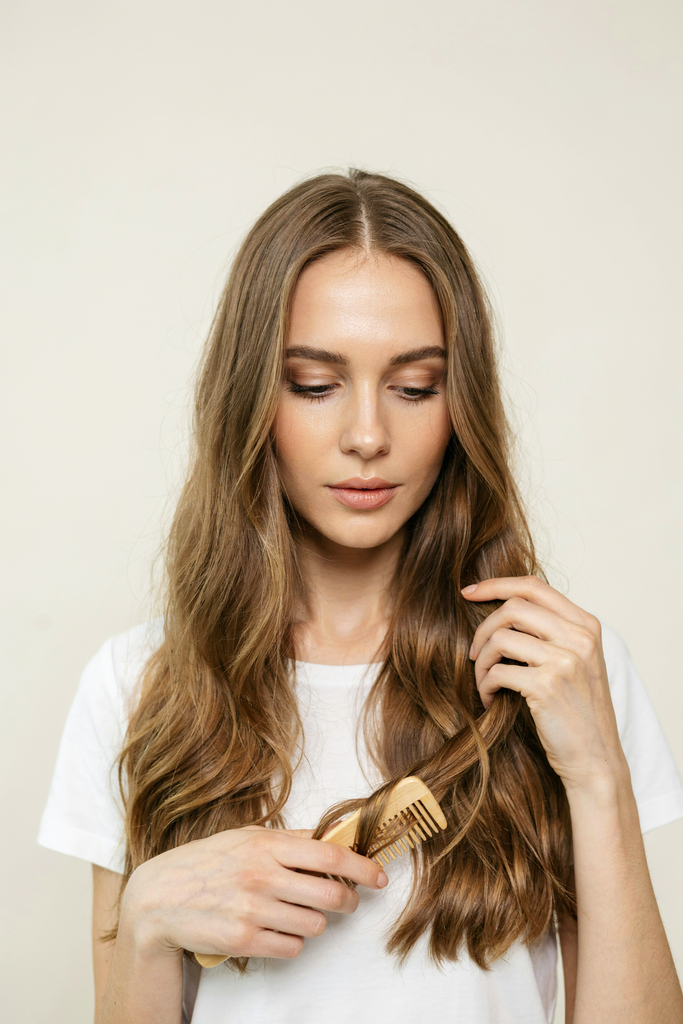
Rough brushing can cause unnecessary tangles, breakage, and split ends, particularly when hair is wet and more fragile. Use a wide-tooth comb or a suitable detangling brush, starting at the ends and gradually working upward. Hold the section of hair gently to avoid pulling on the roots. If you encounter a stubborn knot, loosen it carefully instead of forcing the brush through it. Gentle detangling helps keep your hair smoother and reduces avoidable damage.
6. Protect Your Hair From Sun Exposure

Prolonged exposure to sunlight can leave hair feeling dry and may cause color-treated hair to fade. When spending extended periods outdoors, consider wearing a wide-brimmed hat or using a hair product specifically designed for UV protection. Extra protection can be helpful during beach trips, outdoor activities, and long summer days. If you swim in chlorinated pools, rinse your hair afterward and use an appropriate conditioner. These simple habits can help preserve your hair’s softness, color, and overall appearance.
7. Avoid Tight Hairstyles That Pull on Your Hair

Tight ponytails, braids, buns, and extensions can place repeated tension on the hair follicles. Over time, this may contribute to traction alopecia, a type of hair loss caused by pulling. Choose looser hairstyles and use soft hair ties that do not snag or tug at your strands. Give your hair regular breaks from styles that create tension, especially around the hairline. If a hairstyle causes pain or persistent pulling, loosen it rather than trying to tolerate the discomfort.
8. Trim Split Ends Regularly
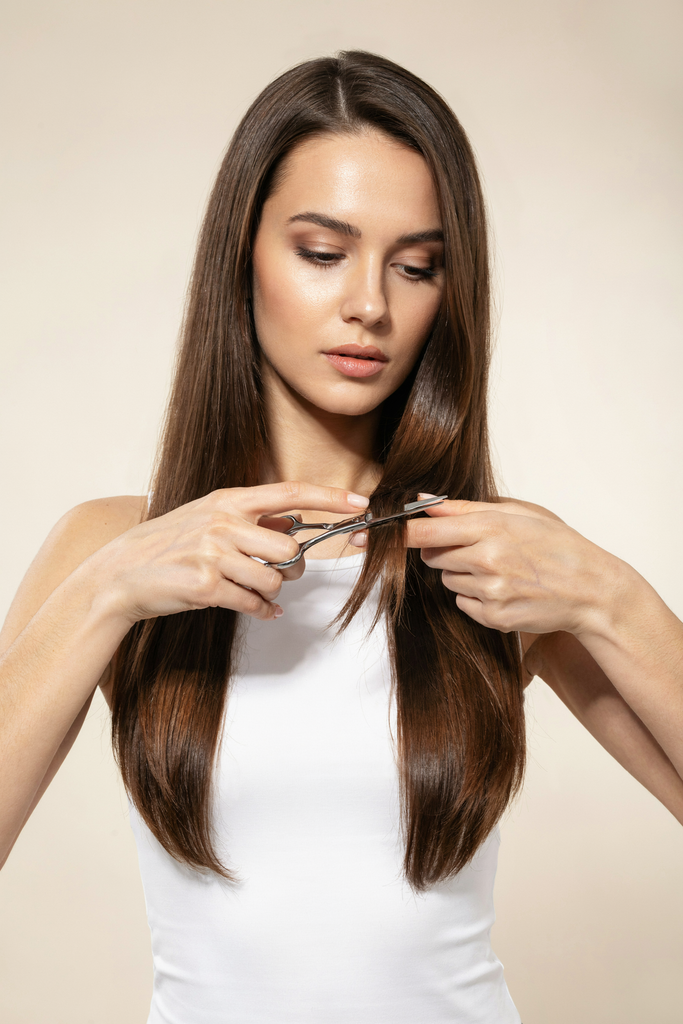
Split ends can make hair appear rough, uneven, and difficult to manage. Trimming damaged ends helps remove splits before they travel farther up the hair shaft, although it does not make hair grow faster from the scalp. How often you need a trim depends on your hair condition, styling habits, and preferred length. People who frequently use heat or chemical treatments may need trims more often. Between appointments, gentle handling and conditioning can help reduce further damage.
9. Keep Your Scalp Clean and Healthy

A clean, comfortable scalp provides a healthy environment for normal hair growth. Wash your scalp as often as needed based on oiliness, sweating, and product buildup. Massage shampoo gently with your fingertips rather than scratching with your nails. If you experience persistent itching, flaking, redness, or irritation, consider seeking advice from a dermatologist instead of relying on harsh home remedies. Avoid applying excessive oils or styling products if they make your scalp feel uncomfortable or greasy.
10. Use a Microfiber Towel and Sleep on Smooth Fabric
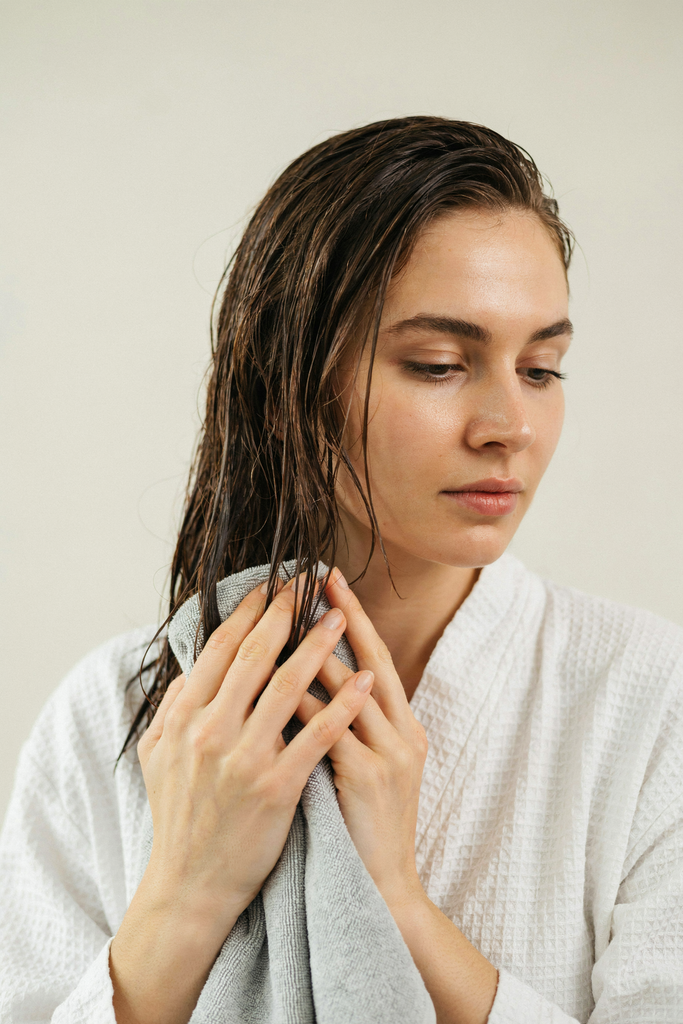
The way you dry and handle your hair can make a difference in preventing breakage. Instead of vigorously rubbing your hair with a regular towel, gently squeeze out excess water using a soft microfiber towel or cotton T-shirt. Detangle carefully and avoid tying wet hair tightly. At night, a satin or silk pillowcase may reduce friction for some hair types, particularly curly or textured hair. These small changes can help minimize tangles and leave your hair looking smoother in the morning.