7 Best Hair Oils for a Healthy-Looking Hair Growth Routine
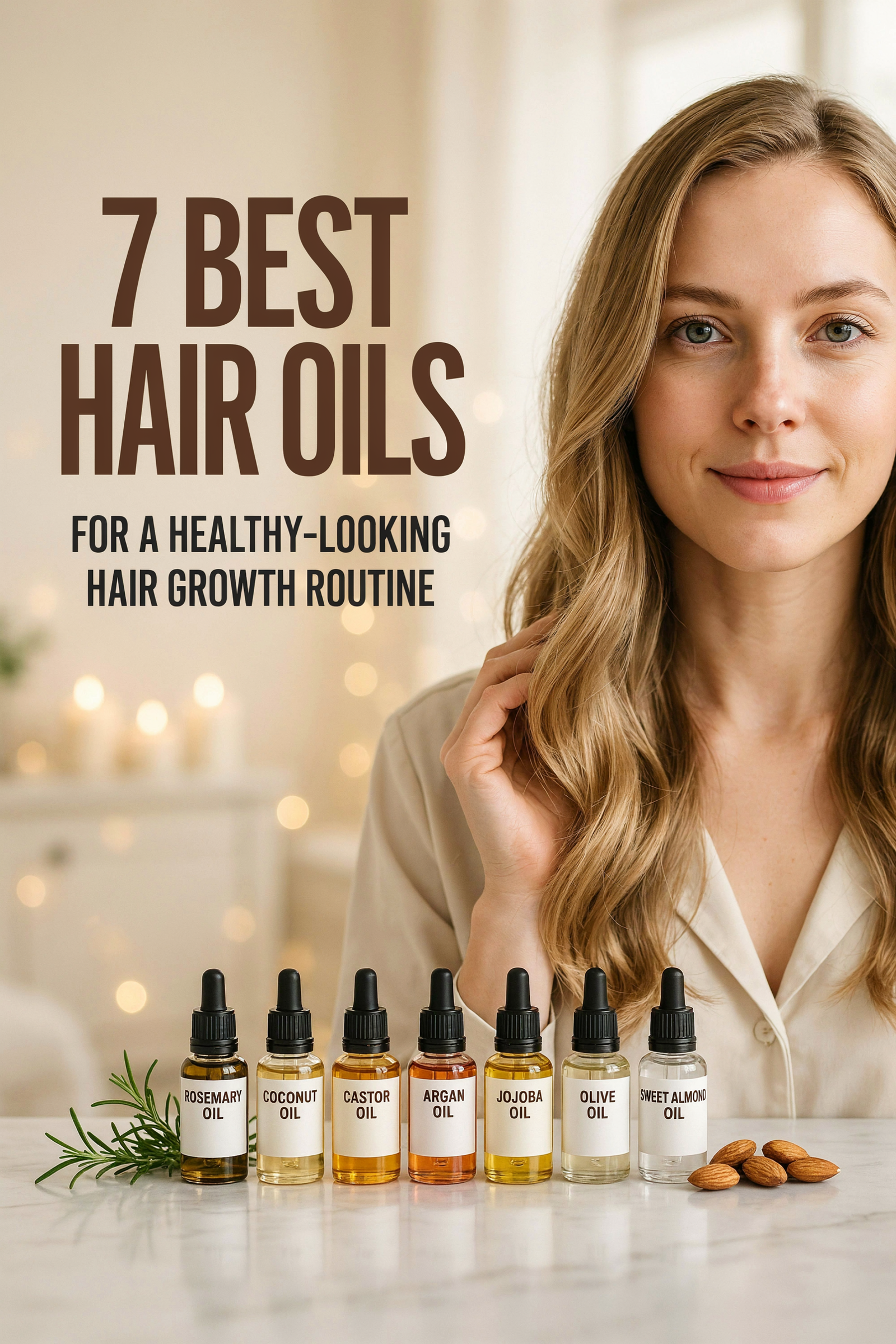
Healthy, beautiful hair starts with a consistent hair care routine, and using the right hair oil can be a helpful part of it. Hair oils help nourish the hair, reduce dryness, improve softness, and protect strands from breakage. Some oils also support a healthier scalp environment, which is important for maintaining strong-looking hair. However, no hair oil can guarantee faster hair growth or reverse hair loss. Choosing an oil that suits your hair type and using it correctly can make a noticeable difference in your hair’s overall appearance. Here are seven of the best hair oils to consider adding to your hair growth routine.
1. Rosemary Oil for a Healthy Scalp
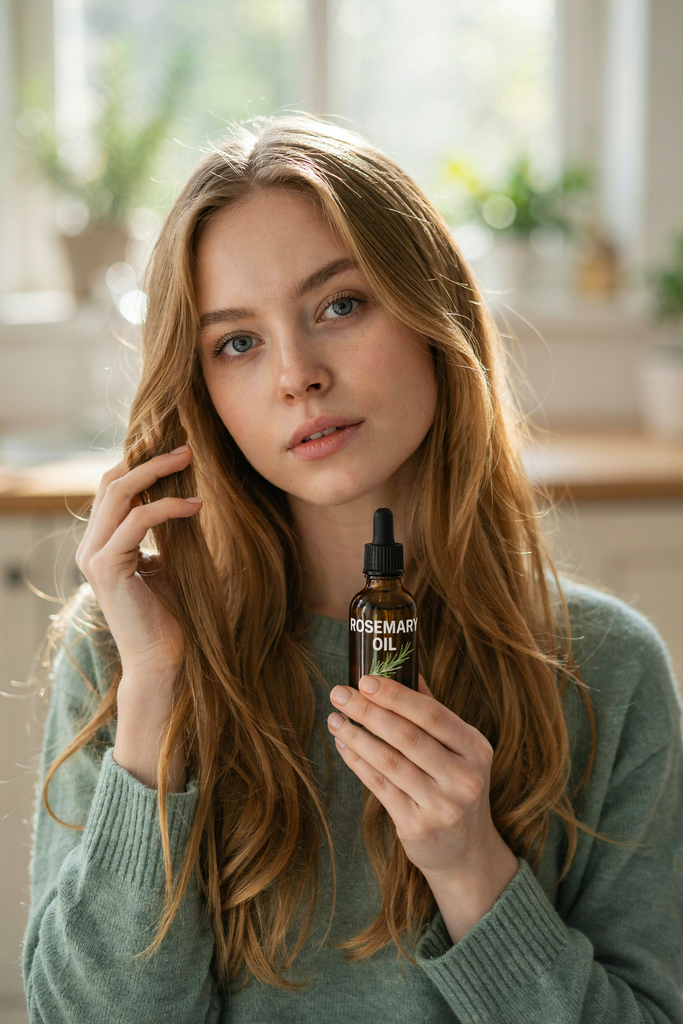
Rosemary oil is a popular choice among people looking to improve their hair care routine. It has gained attention for its potential benefits in supporting scalp health and hair growth. Some research suggests that rosemary oil may help with certain types of hair loss, although more studies are needed. Always dilute rosemary essential oil with a carrier oil before applying it to your scalp. Massage the diluted mixture gently into your scalp and leave it on for a short period before washing. Avoid applying concentrated rosemary oil directly because it can cause irritation.
2. Coconut Oil for Stronger-Looking Hair
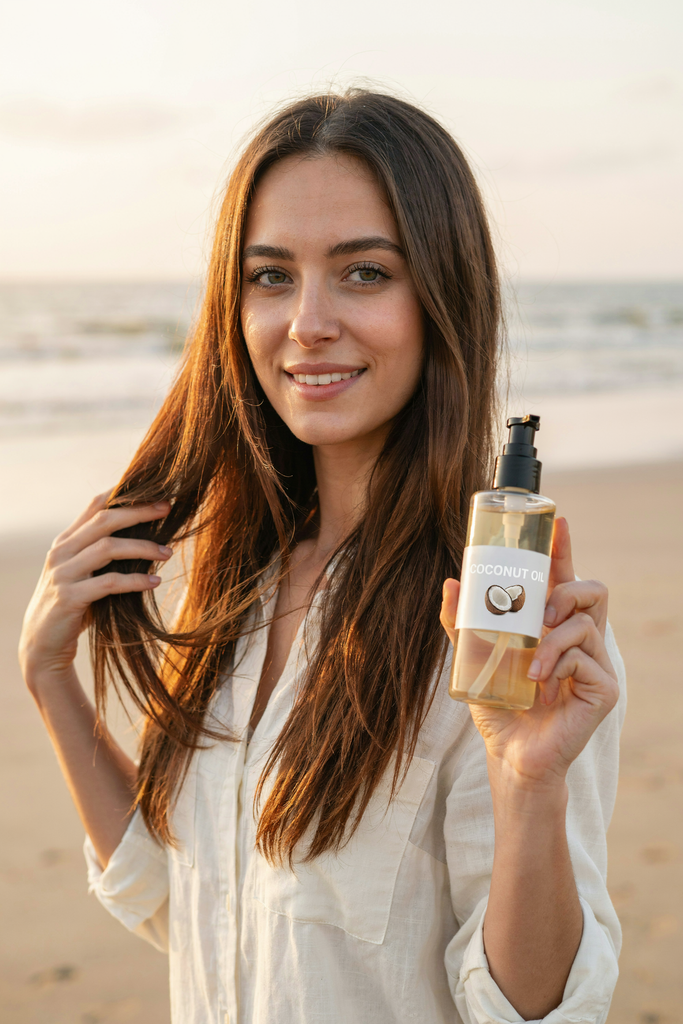
Coconut oil is one of the most widely used natural oils for maintaining healthy-looking hair. It contains fatty acids that can penetrate the hair shaft and help reduce protein loss during washing. Regular use can make dry strands feel softer, smoother, and easier to manage. It is particularly beneficial for people with dry, damaged, or chemically treated hair. Apply a small amount to your hair lengths before shampooing as a nourishing pre-wash treatment. If you have a naturally oily scalp, avoid applying too much oil directly to your roots.
3. Castor Oil for Thicker-Looking Hair
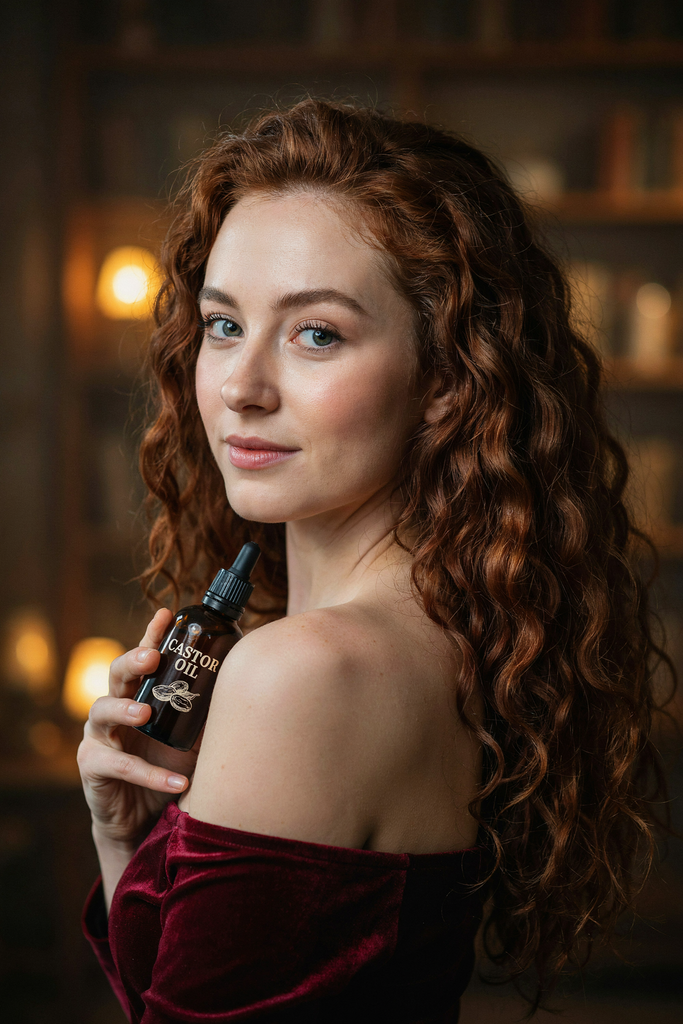
Castor oil is a thick, rich oil commonly used in homemade hair care treatments. It contains ricinoleic acid and other fatty acids that help condition dry hair and improve its appearance. Many people use it because they believe it encourages thicker and faster hair growth, but strong scientific evidence supporting these claims is currently lacking. Its moisturizing properties can help reduce dryness and make hair feel smoother. Since castor oil is very thick, consider mixing a small amount with coconut or jojoba oil. Apply it sparingly and wash thoroughly to avoid greasy buildup.
4. Argan Oil for Smooth and Shiny Hair
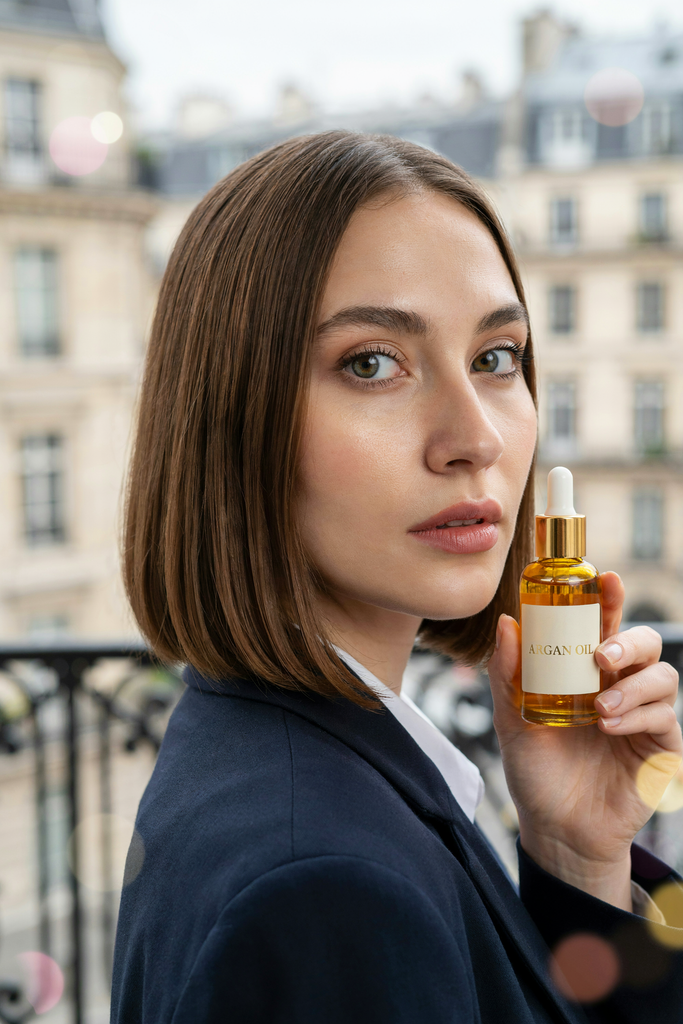
Argan oil is often called liquid gold because of its nourishing and conditioning properties. It contains vitamin E, fatty acids, and antioxidants that help improve the appearance of dry and damaged hair. This lightweight oil is especially useful for controlling frizz, smoothing rough ends, and adding natural-looking shine. It can also help protect hair from dryness caused by everyday styling and environmental exposure. Apply two or three drops to damp or dry hair, focusing mainly on the middle lengths and ends. Regular use can make your hair look softer, healthier, and more manageable.
5. Jojoba Oil for Balanced Scalp Care
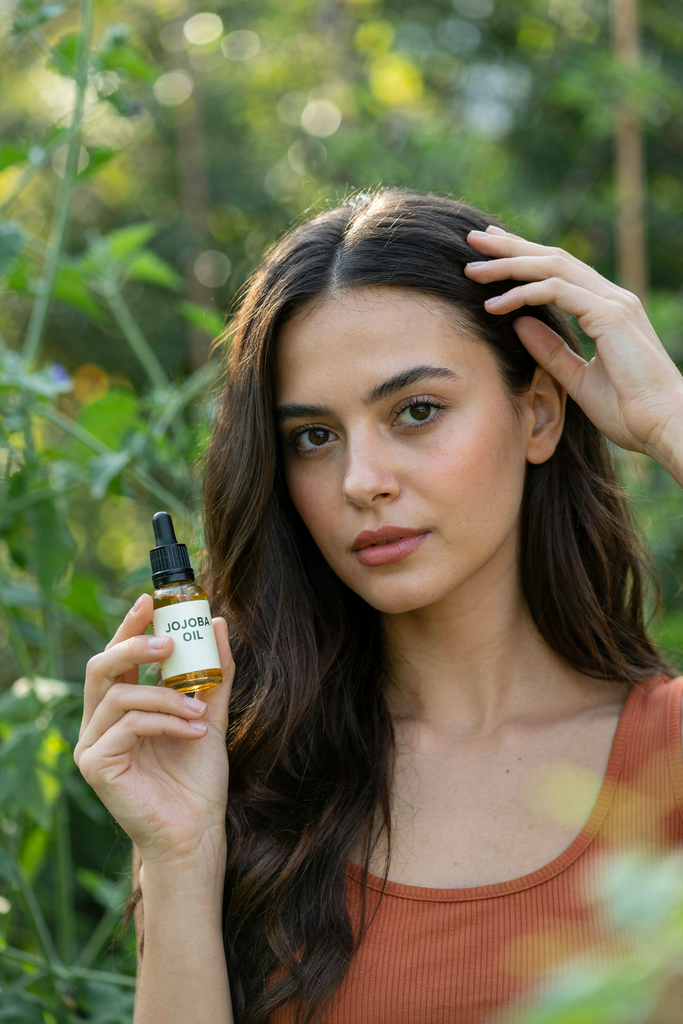
Jojoba oil is a lightweight oil that closely resembles the natural sebum produced by the scalp. It is a good option for people who want to moisturize their scalp without using a particularly heavy product. Its conditioning properties can help soften dry hair and improve overall manageability. Jojoba oil is also useful for massaging the scalp as part of a relaxing hair care routine. Apply a small amount to your scalp and massage gently using your fingertips. Avoid excessive application, especially if your scalp is already oily or prone to product buildup.
6. Olive Oil for Dry and Damaged Hair
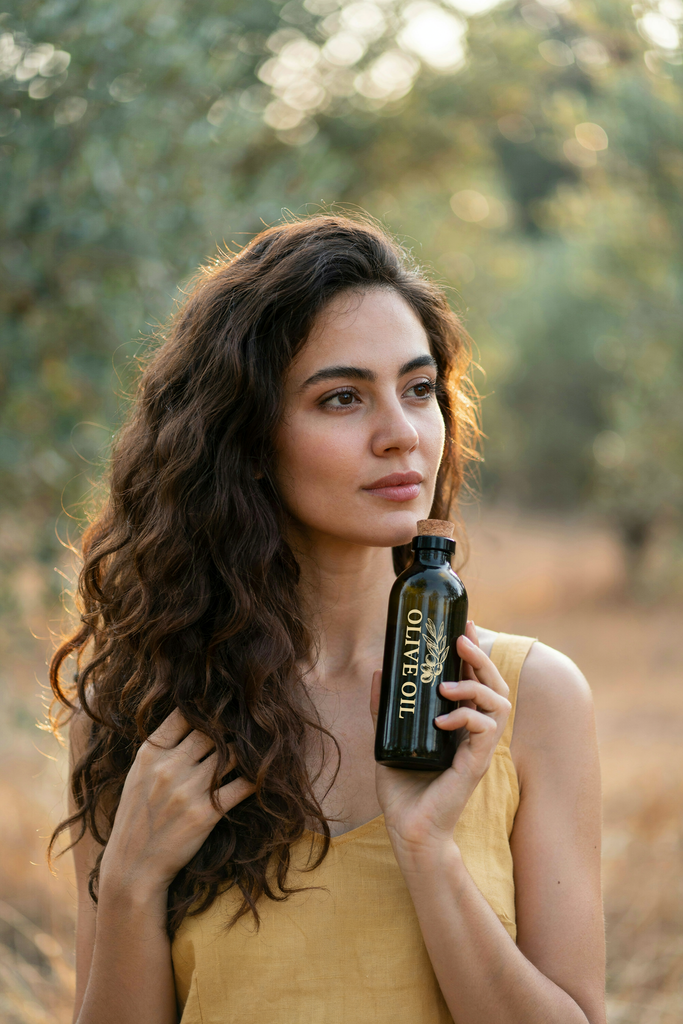
Olive oil is a natural conditioning ingredient that can help improve the softness and appearance of dry hair. It contains oleic acid, antioxidants, and vitamin E, which make it a popular choice in homemade hair treatments. Its moisturizing properties can help smooth rough strands and reduce the appearance of frizz. People with thick, coarse, or naturally dry hair may find it particularly beneficial. Warm a small amount between your palms and distribute it evenly through your hair lengths. Leave it on for approximately 20 to 30 minutes before shampooing to remove excess oil.
7. Sweet Almond Oil for Soft and Manageable Hair
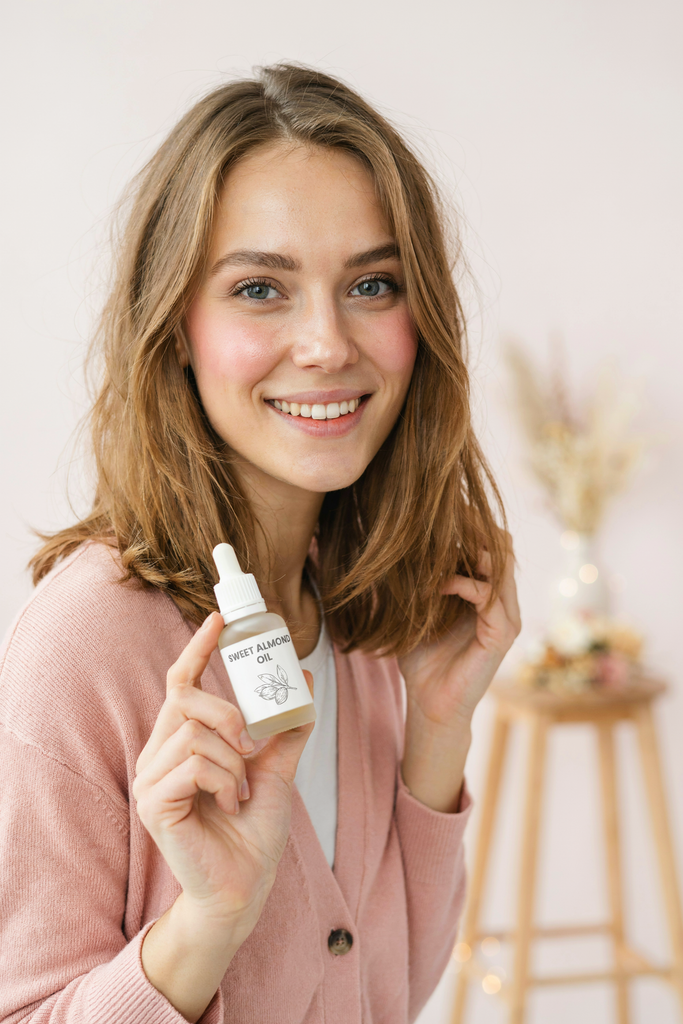
Sweet almond oil is a lightweight conditioning oil that works well for improving the texture of dry and dull hair. It contains vitamin E, fatty acids, and other nourishing compounds that help keep hair feeling soft. Regular application can make rough strands easier to comb and style while reducing friction-related breakage. It is particularly suitable for people who want a less heavy alternative to thicker oils. Apply a few drops to your hair ends or use it as a pre-shampoo treatment. Avoid using it if you have a known almond allergy, and perform a patch test before trying it for the first time.
How to Use Hair Oils for Better Results
Using hair oil correctly is just as important as choosing the right product for your hair type. Start by selecting an oil that matches your scalp condition and hair texture. Apply a small amount instead of covering your hair with excessive product. Gently massage your scalp with your fingertips without scratching or pulling your hair. For conditioning oils, concentrate on the middle lengths and ends where dryness and breakage are more common. Wash your hair properly afterward if the oil leaves it greasy or causes buildup.
How Often Should You Oil Your Hair?
The ideal hair oiling frequency depends on your hair type, scalp condition, and personal routine. People with dry or coarse hair may benefit from using conditioning oils once or twice a week. Those with fine or naturally oily hair may prefer occasional application to the hair ends rather than the scalp. Avoid excessive oiling if you experience itching, irritation, or product buildup. Rosemary essential oil should always be diluted before use, and any oil should be discontinued if it causes irritation. Consistency and gentle hair care habits are more important than applying large amounts of oil.
Note: This article is for informational and educational purposes only and does not constitute medical advice. If you are experiencing severe hair loss, scalp irritation, or underlying health issues, please consult a dermatologist or healthcare professional.