5 Signs of Scalp Buildup and How to Remove It
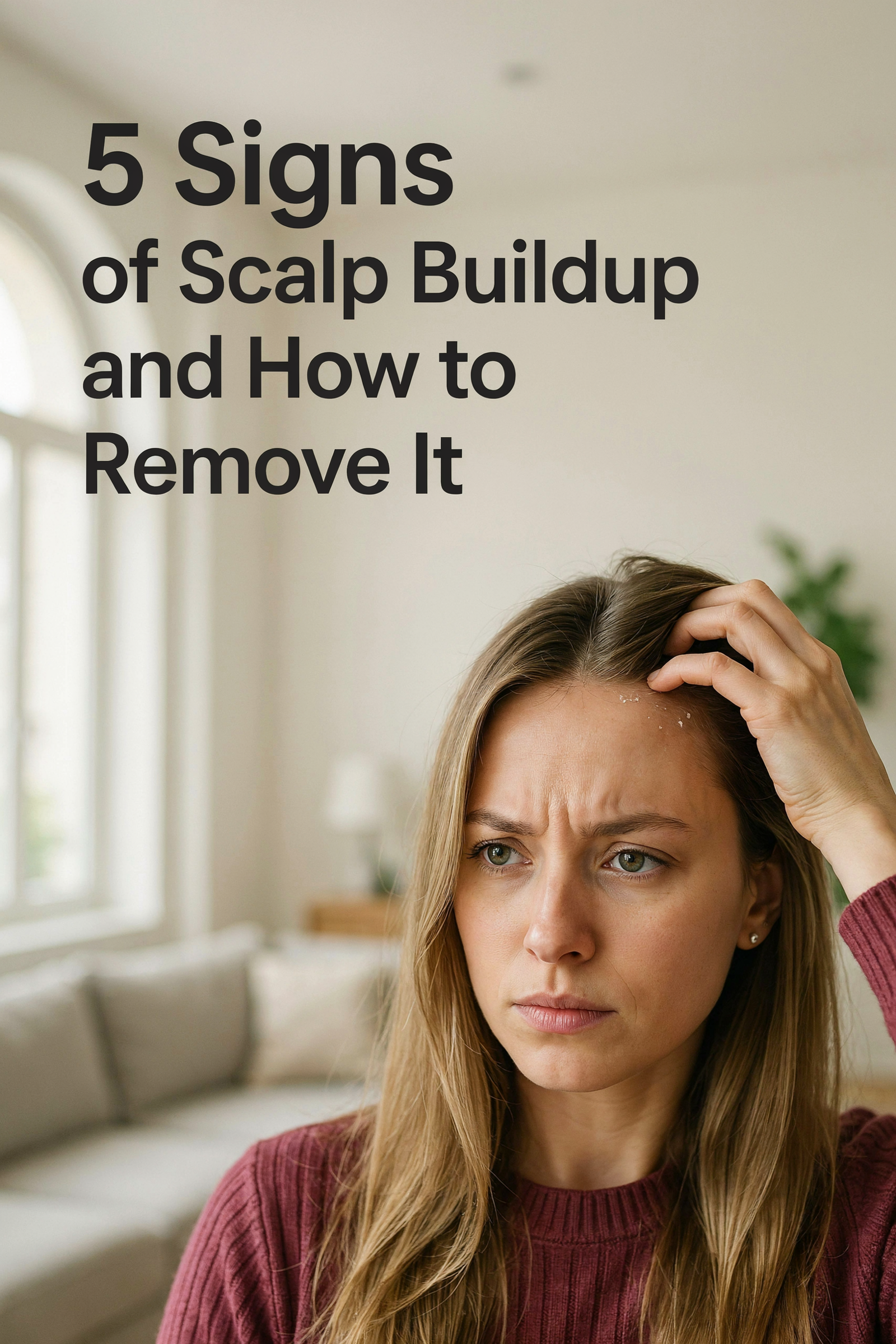
A healthy scalp is the foundation of beautiful, strong, and manageable hair. However, everyday hair products, natural oils, sweat, and dead skin cells can gradually accumulate on your scalp, creating a problem known as scalp buildup. This buildup can make your hair feel greasy, heavy, itchy, and difficult to style, even after washing. If left untreated, it may contribute to scalp irritation and discomfort. The good news is that a few simple hair care habits can help remove buildup and restore your scalp’s natural balance. Here are five common signs of scalp buildup and how to get rid of it.
1. Persistent Itching and Scalp Irritation

One of the earliest signs of scalp buildup is persistent itching that does not seem to disappear after regular shampooing. Excess oil, styling products, sweat, and dead skin cells can accumulate around the hair roots, making your scalp feel uncomfortable. You may also notice mild irritation or a sensation of heaviness near the roots. Scratching your scalp frequently can make the irritation worse and potentially damage your skin. To reduce buildup, wash your hair regularly with a gentle shampoo that suits your scalp type. Avoid applying too many styling products directly to your roots, and consider using a clarifying shampoo occasionally if product residue is the problem.
2. Greasy Hair That Feels Heavy
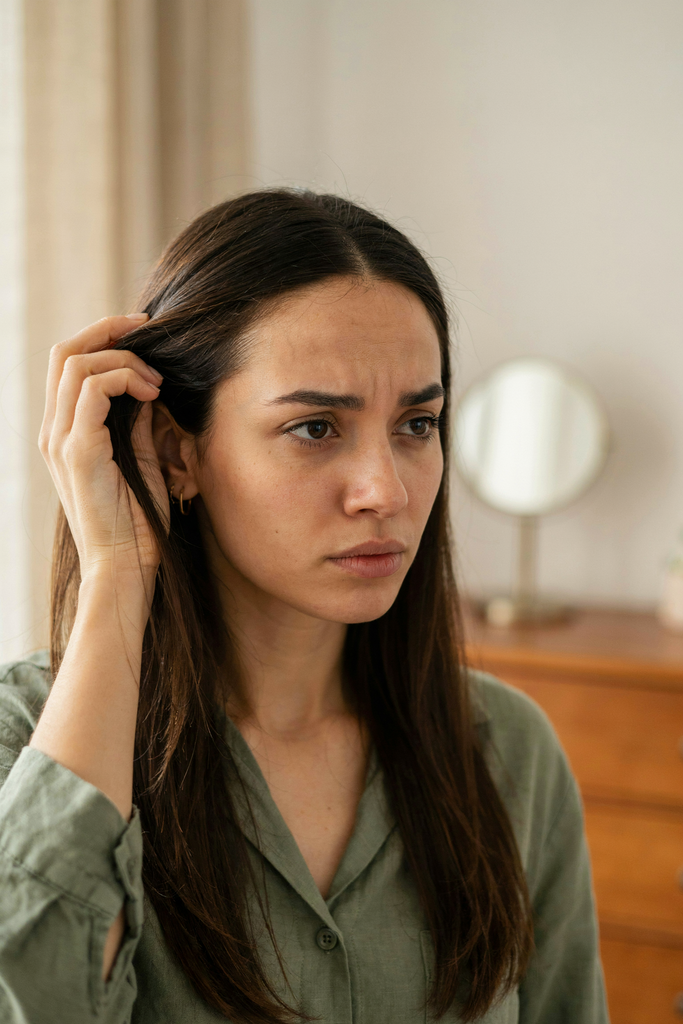
If your hair becomes greasy shortly after washing, scalp buildup could be one possible reason. Excess sebum, combined with leftover conditioner, hair oils, and styling products, can create a coating around your roots. This can make your hair appear flat, oily, and less voluminous than usual. Even freshly washed hair may feel heavy or look unclean when residue is not properly removed. To address this issue, choose a lightweight shampoo designed for oily hair and concentrate on cleansing your scalp rather than aggressively washing the lengths. Rinse thoroughly to remove shampoo and conditioner residue, and avoid applying heavy creams or oils directly to your roots.
3. White Flakes and Visible Scalp Residue

Small white flakes around your hair roots can sometimes indicate product buildup or accumulated dead skin cells. Unlike ordinary dandruff, which is often associated with a scalp condition, product residue may appear after using dry shampoo, gels, sprays, or heavy styling creams. You might notice these flakes when brushing your hair or parting it in front of a mirror. Using too many leave-in products without properly cleansing your scalp can make the problem worse. Start by reducing unnecessary styling products and washing your scalp with a suitable shampoo. If the flakes continue, become oily or yellowish, or are accompanied by redness and itching, consider consulting a dermatologist to check for dandruff or another scalp condition.
4. Dull Hair With Reduced Volume

Another noticeable sign of scalp buildup is hair that looks dull, lifeless, and flatter than usual. Product residue and excess oils can weigh down individual strands, preventing your hair from maintaining its natural movement and volume. You may find that your usual hairstyle does not hold properly or that your roots appear noticeably flatter. This can be especially frustrating if you regularly use conditioners, serums, dry shampoos, and styling sprays. To improve your hair’s appearance, use a clarifying shampoo when necessary to remove accumulated residue. Apply conditioner mainly to the mid-lengths and ends rather than the scalp. Once the excess buildup is removed, your hair may feel lighter, cleaner, and easier to style.
5. Unpleasant Scalp Odor

An unpleasant smell coming from your scalp, even shortly after washing, can be another possible sign of buildup. Excess sebum, sweat, product residue, and microorganisms naturally present on the skin may contribute to an unpleasant scalp odor. This issue can become more noticeable during hot weather, after exercise, or when wearing hats for extended periods. Simply applying perfume or fragranced hair products will not address the underlying cause. Instead, focus on keeping your scalp clean by washing it regularly with a suitable shampoo and thoroughly rinsing away product residue. Make sure your hair dries properly, clean your brushes regularly, and avoid excessive use of heavy styling products. If the odor persists or occurs alongside pain, redness, or unusual discharge, seek advice from a dermatologist.
Note: This article is for informational and educational purposes only and does not constitute medical advice. If you are experiencing severe hair loss, scalp irritation, or underlying health issues, please consult a dermatologist or healthcare professional.