7 Hair Care Tips for Women Over 50
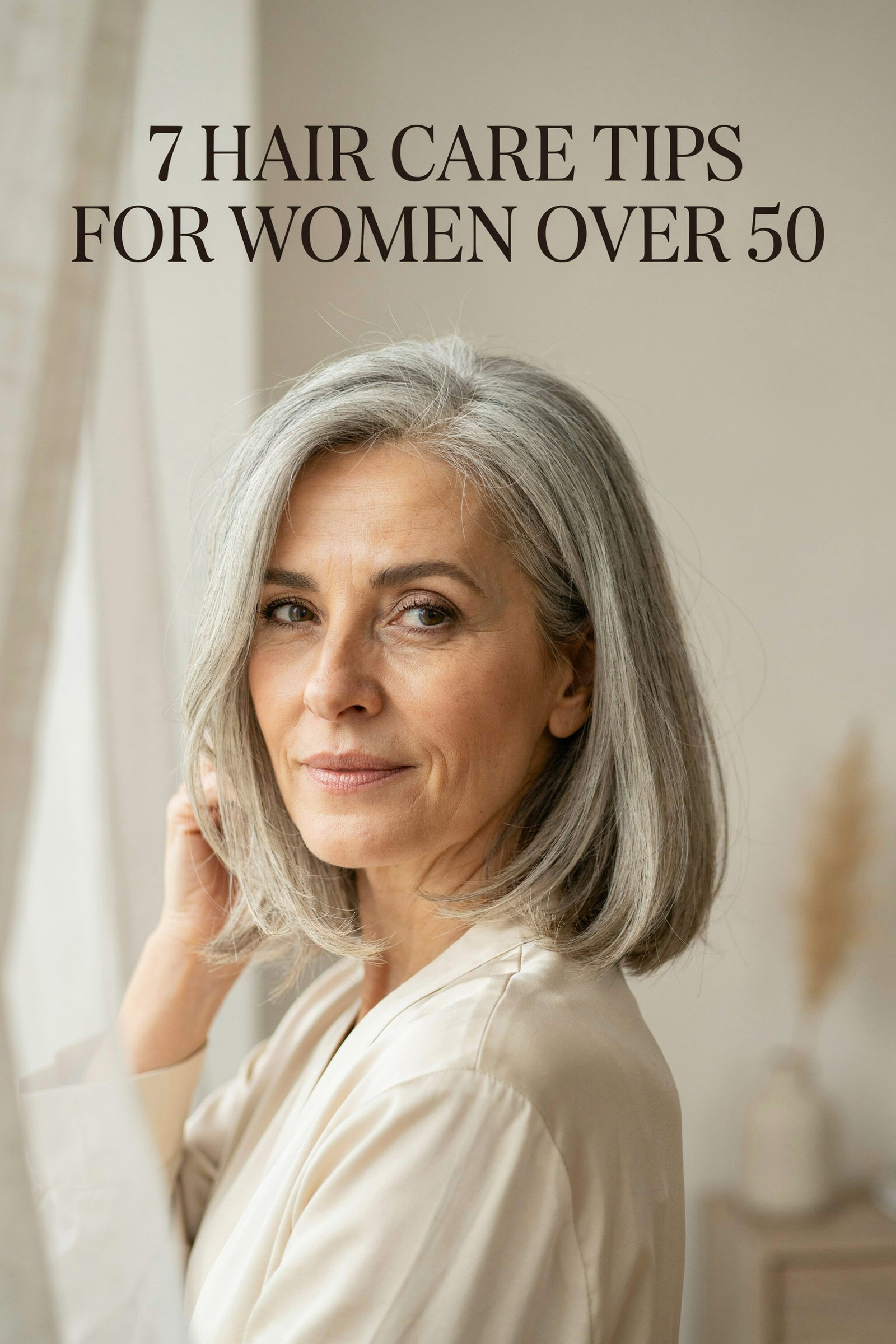
As women get older, their hair can undergo noticeable changes in texture, thickness, shine, and overall appearance. Hormonal changes, genetics, and everyday styling habits can all influence how hair looks and feels after 50. The good news is that a few simple adjustments to your hair care routine can help keep your hair looking healthy, soft, and beautiful. Whether your hair is fine, dry, gray, or naturally thick, the right care can make a meaningful difference. You don’t need an expensive collection of products to maintain gorgeous hair. Here are seven practical hair care tips for women over 50 to help you enjoy healthier-looking hair at any age.
1. Choose a Gentle Shampoo and Conditioner
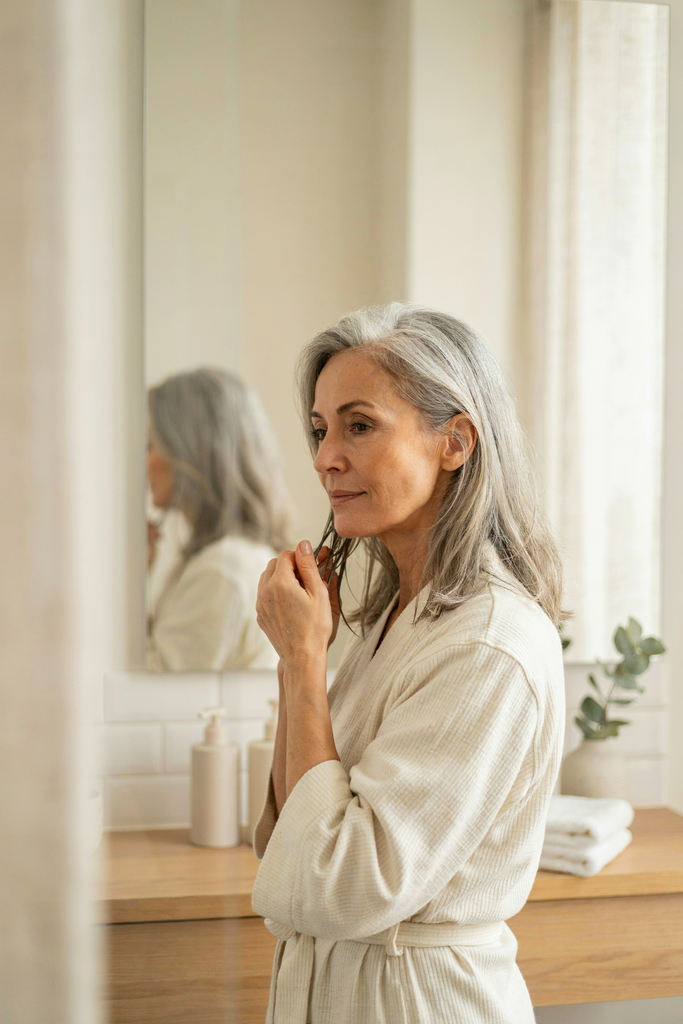
As hair changes with age, it may become drier, finer, or more prone to breakage. Choose a gentle shampoo suited to your scalp and hair type to cleanse without leaving your hair feeling excessively dry. Follow with a nourishing conditioner to improve softness, smoothness, and manageability. If your hair is fine, look for lightweight formulas that won’t weigh down your roots. Apply conditioner mainly to the mid-lengths and ends if your roots tend to become oily. A consistent washing routine helps keep your scalp clean and your hair looking fresh.
2. Keep Your Hair and Scalp Properly Hydrated
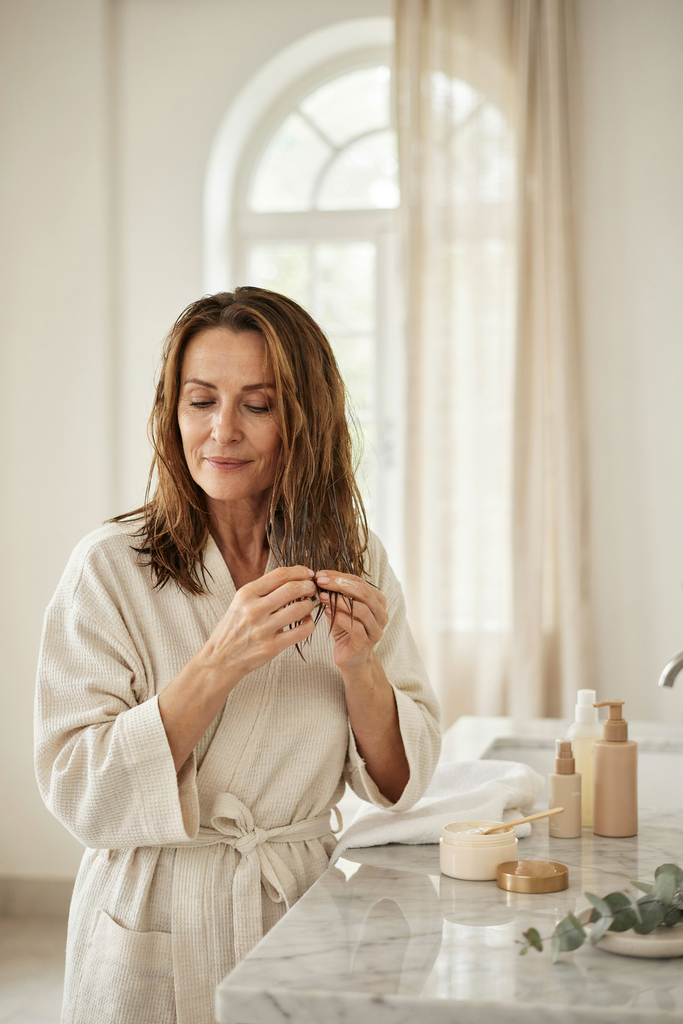
Dryness can make mature hair appear dull, rough, and difficult to style. Use a moisturizing conditioner regularly and consider a weekly hair mask if your strands need extra softness. Ingredients such as glycerin and certain conditioning oils can help improve the feel and appearance of dry hair. Avoid applying heavy oils or creams directly to the roots if they make your hair look flat. Drinking enough water supports general health, although hydration alone cannot reverse hair thinning or repair damaged strands. With the right conditioning routine, your hair can feel smoother and become easier to manage.
3. Limit Heat Styling to Prevent Damage
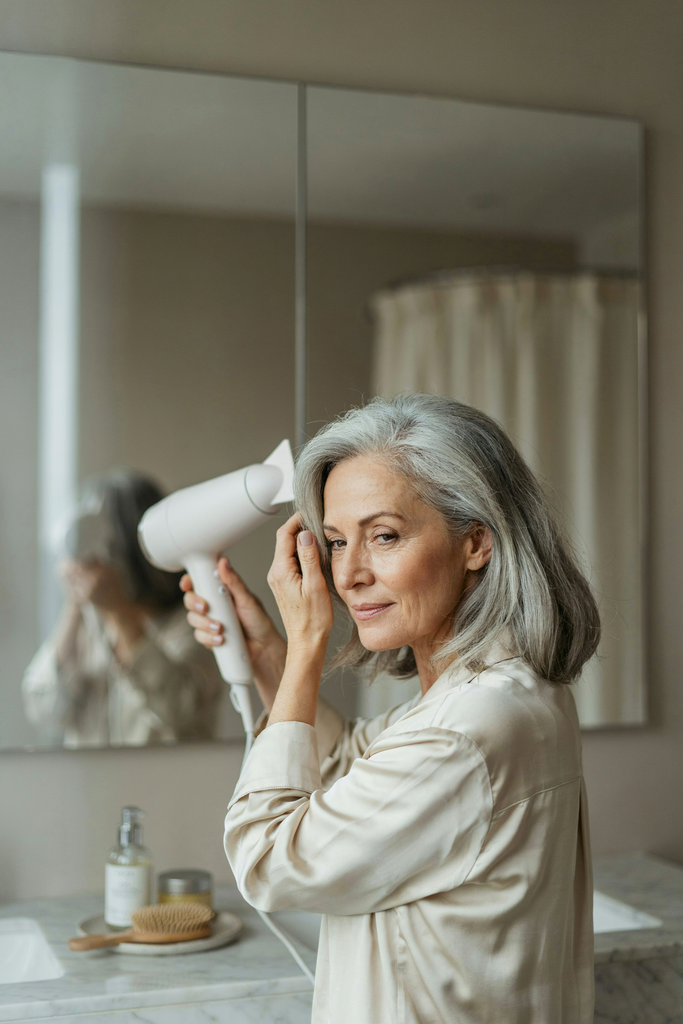
Frequent use of flat irons, curling wands, and high-heat blow-dryers can weaken hair and contribute to breakage. Whenever possible, allow your hair to air-dry partially before using a blow-dryer on a low or medium heat setting. Always apply a heat protectant before using hot styling tools. Choose simple hairstyles that require less heat, such as soft waves created with rollers or natural air-drying techniques. Avoid repeatedly passing a hot iron over the same section of hair. Reducing heat exposure can help preserve your hair’s smoothness and natural-looking shine.
4. Get a Haircut That Suits Your Hair Texture
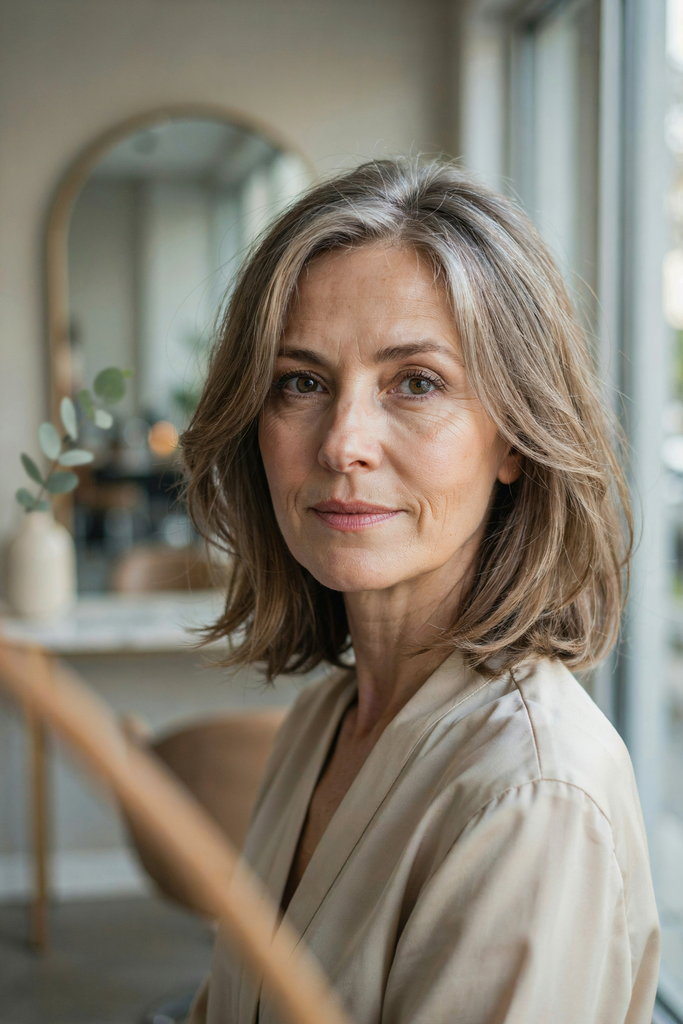
The right haircut can make mature hair look more polished, balanced, and full of life. If your hair has become finer, a chin-length bob, a soft lob, or a blunt cut can help the ends appear fuller. Women who prefer longer hairstyles can ask for subtle layers that add movement without making the ends look too sparse. Face-framing layers and side-swept bangs can also create a flattering, fresh appearance. Discuss your hair texture, lifestyle, and styling preferences with your hairstylist before choosing a new cut. Regular trims can help maintain the shape of your hairstyle and remove split ends.
5. Protect Your Hair From Breakage
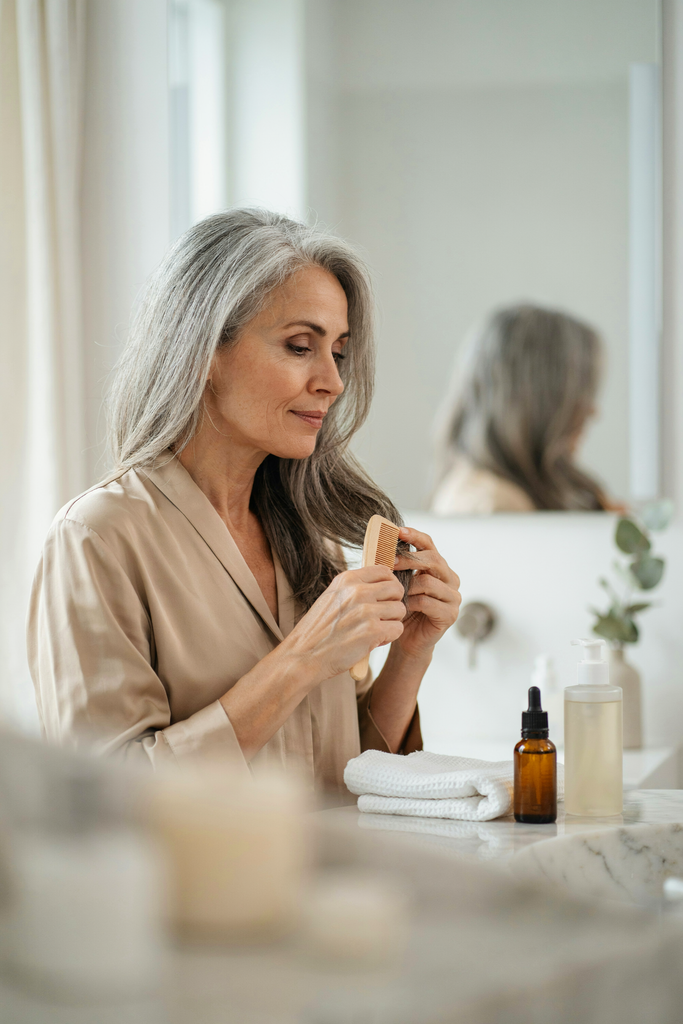
Mature hair may be more vulnerable to breakage, especially when it is dry, chemically treated, or frequently styled. Use a wide-tooth comb to detangle gently, starting at the ends and gradually working toward the roots. Avoid pulling wet hair aggressively because it is more vulnerable to stretching and damage. Choose soft hair ties and avoid tight ponytails or hairstyles that place constant tension on the scalp. A smooth pillowcase and gentle nighttime styling may also help reduce friction while you sleep. Treating your hair carefully every day can help preserve its length and improve its overall appearance.
6. Support Healthy Hair With a Balanced Diet

A balanced diet provides nutrients that your body needs to maintain normal hair growth and overall health. Include protein-rich foods such as eggs, fish, beans, yogurt, and lentils as part of your regular meals. Foods containing iron, zinc, and other essential nutrients can also support healthy hair when they help meet your nutritional needs. Avoid taking high-dose hair supplements without professional advice, since excessive amounts of certain nutrients can actually contribute to hair problems. If you notice unusual shedding, persistent thinning, or sudden changes in hair texture, speak with a healthcare professional. They can help determine whether nutritional deficiencies or another underlying issue may be involved.
7. Embrace Your Natural Hair Color and Texture

Your hair care routine should celebrate your natural beauty rather than fight against every change that comes with age. Whether you have silver strands, salt-and-pepper hair, or your original hair color, gentle care can help your hair look its best. If you color your hair, choose conditioning products designed for color-treated strands and avoid excessive chemical processing. Purple shampoo may help reduce unwanted yellow tones in gray or blonde hair when used according to the product instructions. Experiment with styles that complement your natural texture instead of relying on daily heat styling. Confidence, a flattering haircut, and healthy-looking hair can work beautifully together at any age.
Note: This article is for informational and educational purposes only and does not constitute medical advice. If you are experiencing severe hair loss, scalp irritation, or underlying health issues, please consult a dermatologist or healthcare professional.