5 Daily Habits That Are Secretly Damaging Your Hair
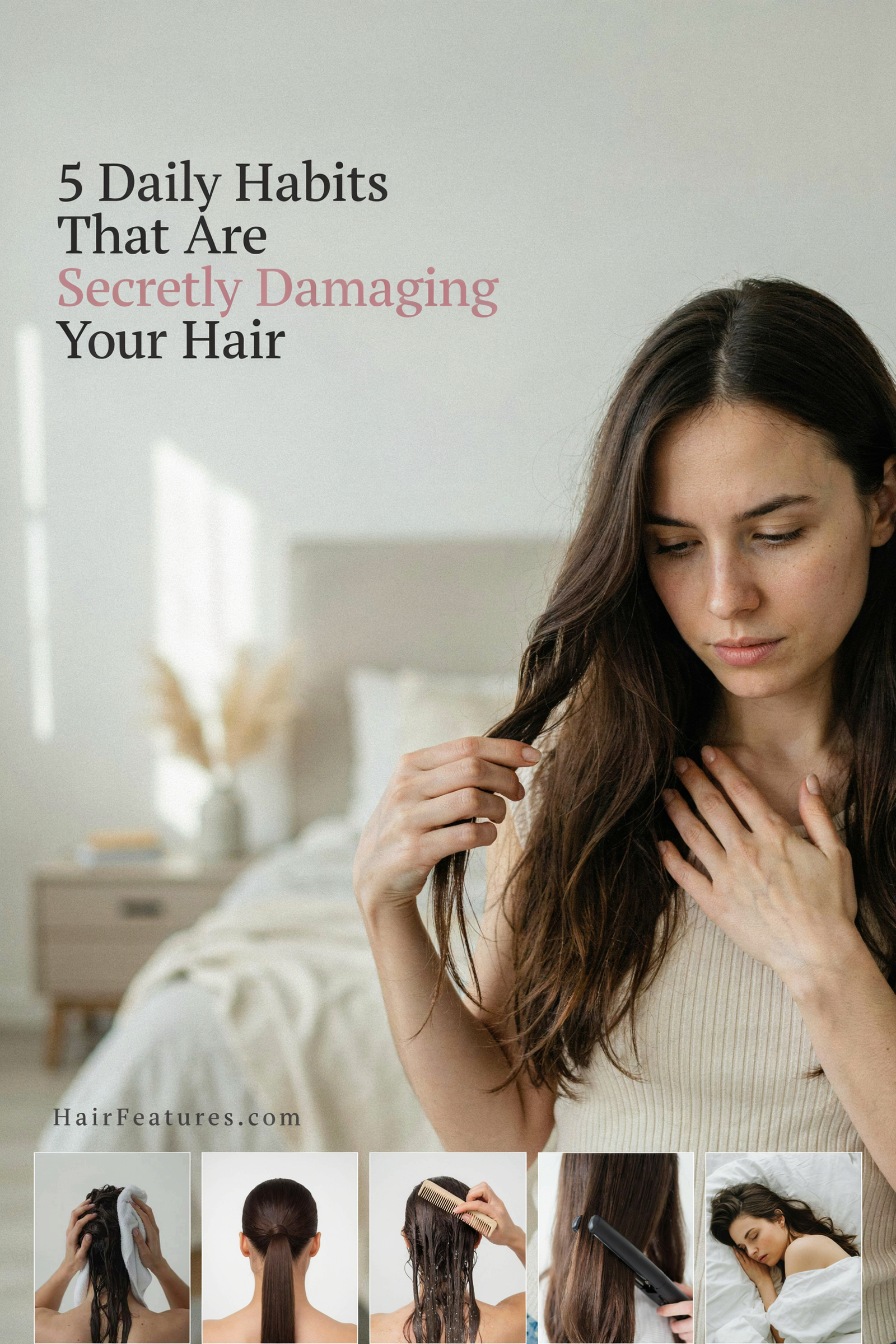
Achieving strong, healthy, and lustrous hair often comes down to the subtle details of your daily routine. While many people invest in expensive serums and treatments, everyday actions might be quietly undoing those efforts. Unintentional habits can weaken your strands, lead to severe breakage, and cause long-term dullness over time. Identifying these subtle triggers allows you to adjust your routine before serious damage occurs. Here are five daily habits that could be harming your hair and how to fix them.
1. Towel-Drying Roughly

Roughly drying your hair with a traditional cotton towel creates excessive friction against delicate, wet cuticles. Wet hair is in its most vulnerable state, making it prone to stretching, snapping, and severe frizz when subjected to harsh friction. Aggressive rubbing roughs up the outer protective layer of the hair shaft, leaving your strands looking dull and unruly. Instead, gently squeeze out excess moisture using a soft microfiber towel or a smooth cotton t-shirt. This small shift preserves your hair’s natural texture, prevents breakage, and significantly reduces unwanted daily frizz.
2. Tight Daily Ponytails

Pulling your hair into sleek, high ponytails or tight topknots puts constant physical tension on your hair follicles. Over time, this repeated pulling leads to traction alopecia, hairline stress, and noticeable breakage right where the elastic sits. Wearing the exact same hairstyle every single day creates a concentrated point of mechanical stress that continuously weakens those specific strands. To protect your hair, switch to gentle silk or satin scrunchies and alternate your styling height regularly. Opting for looser buns and braids gives your roots a much-needed break while maintaining an effortless look.
3. Brushing Wet Hair Top-to-Bottom

Hair stretches far more easily when saturated with water, which makes improper wet brushing a primary cause of split ends. Forcing a standard fine-tooth comb or rigid paddle brush through wet tangles snaps fragile hair fibers rather than smoothing them out. Starting your brushing routine directly at the roots packs tangles tightly together, worsening knots and increasing structural damage. Always apply a lightweight leave-in conditioner or detangling spray before gently working through knots from the ends upward. Utilizing a wide-tooth comb or a flexible wet brush ensures smooth gliding without unnecessary pulling or tearing.
4. Skipping Heat Protectant
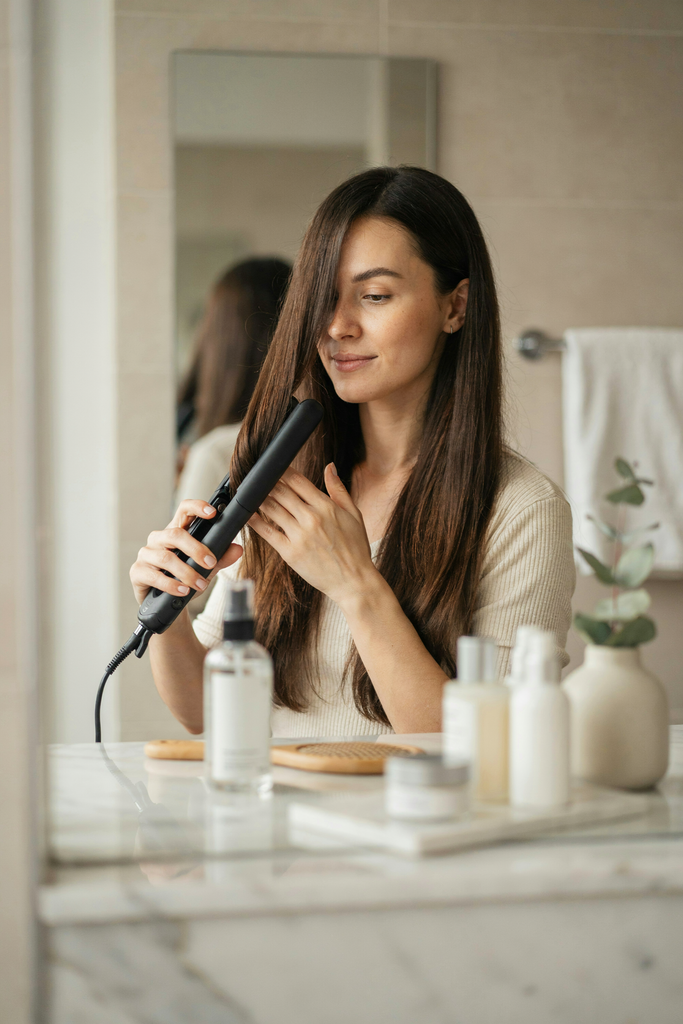
Using hot tools without a proper heat protectant strips your hair of its natural moisture and breaks down essential keratin proteins. High temperatures create microscopic cracks along the hair shaft, leading to split ends, dryness, and severe color fading. Even running your blow dryer on maximum heat without a protective barrier causes long-term structural weakness over time. Applying a dedicated thermal heat spray beforehand forms a protective shield that locks in internal hydration during styling. Keeping your styling tools at moderate heat settings preserves your hair’s structural integrity while still achieving a polished result.
5. Sleeping on Rough Cotton

Traditional cotton pillowcases absorb the vital natural oils from your hair while you sleep, leaving your strands dehydrated by morning. The rough texture of cotton fabric creates continuous friction as you toss and turn throughout the night, causing morning tangles and breakage. Over time, this constant nighttime friction disrupts the hair cuticle, leading to persistent frizz and lack of natural shine. Switching to a smooth silk or satin pillowcase allows your hair to slide effortlessly across the surface without snagging. This effortless change helps maintain moisture levels, prevents morning bedhead, and protects delicate strands all night long.
Note: This article is for informational and educational purposes only and does not constitute medical advice. If you are experiencing severe hair loss, scalp irritation, or underlying health issues, please consult a dermatologist or healthcare professional.