10 Easy Ways to Prevent Dry Hair During Winter
Winter weather can make your hair feel dry, rough, brittle, and difficult to manage. Cold outdoor air, low humidity, indoor heating, and frequent use of hot water can strip moisture from your hair and make it more prone to breakage. During this season, your hair needs extra care and gentle treatment to maintain its softness and shine. Fortunately, a few simple changes to your daily hair care routine can help prevent winter dryness. Here are 10 easy and effective ways to keep your hair healthy, smooth, and moisturized throughout the winter season.
1. Use a Moisturizing Shampoo

Choosing the right shampoo is essential for preventing dry hair during winter. Look for a gentle, moisturizing shampoo that cleans your scalp without leaving your hair feeling rough or stripped. Shampoos containing conditioning ingredients such as glycerin, panthenol, or aloe vera can help improve hair softness. Avoid washing your hair with harsh products that leave it excessively dry. If your scalp is not particularly oily, you may benefit from washing your hair less frequently. Always choose a shampoo suitable for your hair type and scalp condition.
2. Avoid Washing Your Hair with Hot Water
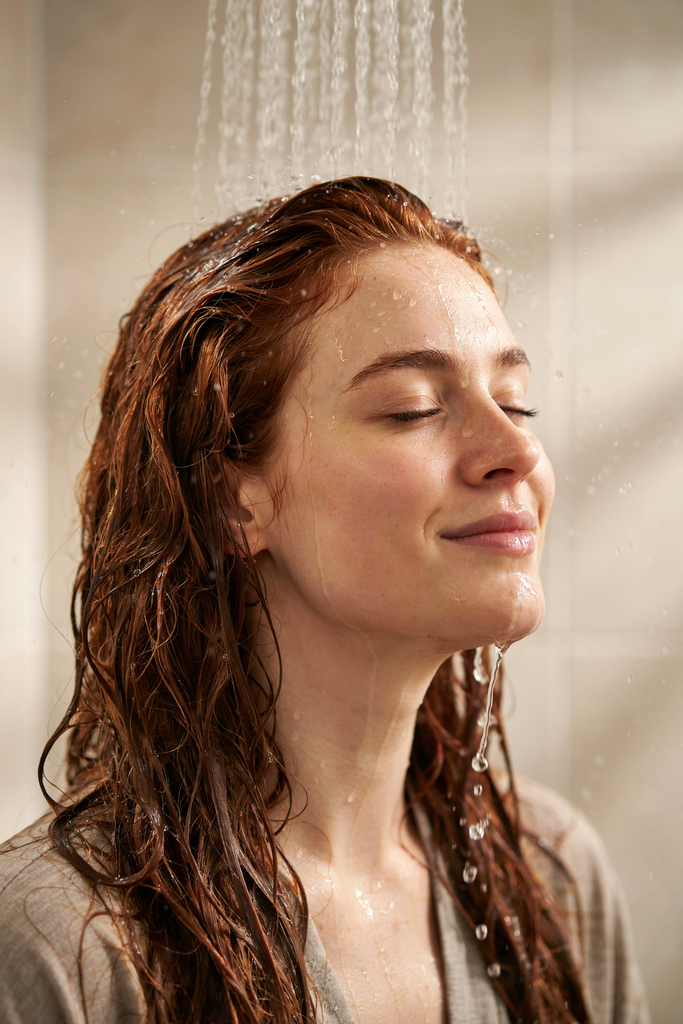
Taking a hot shower during cold weather feels relaxing, but very hot water can remove some of the natural oils that protect your hair and scalp. This may leave your hair feeling dry, rough, and more difficult to manage. Try washing your hair with lukewarm water instead of steaming hot water. Lukewarm water helps clean your hair comfortably without unnecessary heat exposure. You can finish with a brief cool-water rinse if you find it comfortable. This small change can make your winter hair care routine gentler.
3. Use a Deep Conditioning Treatment

Deep conditioning is an excellent way to improve the softness and manageability of dry winter hair. Use a moisturizing hair mask or deep conditioner once a week, following the product’s instructions. Look for ingredients such as shea butter, glycerin, fatty alcohols, and nourishing conditioning agents. Apply the treatment mainly to the mid-lengths and ends, where dryness is often more noticeable. Leave it on for the recommended time before rinsing thoroughly. Regular conditioning can reduce roughness, improve manageability, and help minimize breakage.
4. Apply Hair Oil to Dry Ends

Hair oils can help reduce moisture loss, improve smoothness, and protect dry ends from friction. Lightweight oils such as argan, jojoba, and coconut oil can be useful depending on your hair type and preferences. Apply a small amount to the mid-lengths and ends rather than using too much product. Coconut oil may also help reduce protein loss from hair when used as a pre-wash treatment. Avoid applying heavy amounts if your hair becomes greasy easily. Remember that oils help condition and protect hair but do not replace water-based moisturizing products.
5. Reduce Heat Styling

Frequent use of blow dryers, straighteners, and curling irons can make already dry winter hair more vulnerable to damage. High temperatures can weaken the hair’s outer protective layer and contribute to breakage and split ends. Whenever possible, allow your hair to air-dry naturally or use a blow dryer on a low or medium heat setting. Always apply a suitable heat-protectant product before using hot styling tools. Try to limit unnecessary straightening and curling throughout the winter. Reducing heat exposure helps maintain smoother and healthier-looking hair.
6. Protect Your Hair from Cold and Wind

Cold weather and strong winter winds can make hair more tangled, rough, and difficult to manage. Wearing a soft, loose-fitting hat or scarf can help protect your hair when spending time outdoors. Choose smooth materials such as silk or satin linings to reduce friction and prevent unnecessary breakage. Avoid tying your hair too tightly under hats or scarves because this can create tension. You can also braid your hair loosely before going outside to minimize tangling. Simple protection can help keep your hair manageable during cold weather.
7. Use a Leave-In Conditioner

A leave-in conditioner is a helpful addition to your winter hair care routine, especially if your hair is naturally dry or frizzy. It provides conditioning benefits between washes and helps make hair easier to detangle and style. Choose a lightweight formula that suits your hair texture and apply it to damp hair after washing. Concentrate on the mid-lengths and ends rather than the scalp. Ingredients such as glycerin, panthenol, and conditioning agents can help improve softness and manageability. Use the recommended amount to avoid product buildup.
8. Avoid Overwashing Your Hair

Washing your hair too frequently can remove natural scalp oils that help protect the hair and maintain its softness. During winter, some people find that washing less often helps their hair feel more manageable. However, the ideal washing schedule depends on your scalp type, lifestyle, and hair texture. If you have an oily scalp, you may still need regular washing to remove excess oil and buildup. Focus shampoo on your scalp and let the lather gently clean the lengths as you rinse. Finding a suitable washing routine can help prevent unnecessary dryness.
9. Sleep on a Satin or Silk Pillowcase

Your pillowcase can affect how much friction your hair experiences while sleeping. Traditional cotton pillowcases may create more friction, which can contribute to tangles, frizz, and breakage, especially in dry or fragile hair. Switching to a satin or silk pillowcase can help reduce friction and make your hair easier to manage in the morning. You can also loosely braid longer hair before bedtime to prevent tangling. Avoid sleeping with tight hairstyles that pull on your roots. These simple nighttime habits can help protect your hair throughout winter.
10. Maintain a Healthy and Balanced Diet

Healthy hair also depends on getting enough essential nutrients through your daily diet. Include protein-rich foods such as eggs, fish, beans, and lentils to support normal hair structure and growth. Foods containing iron, zinc, vitamin D, and other essential nutrients also contribute to overall hair health. Drink enough water throughout the day to maintain proper hydration, even when cold weather makes you feel less thirsty. Avoid relying on supplements unless a healthcare professional recommends them. A balanced diet supports healthier hair from within, although it cannot replace proper external hair care.
Note: This article is for informational and educational purposes only and does not constitute medical advice. If you are experiencing severe hair loss, scalp irritation, or underlying health issues, please consult a dermatologist or healthcare professional.