5 Simple Ways to Make Thin Hair Look Fuller and More Voluminous
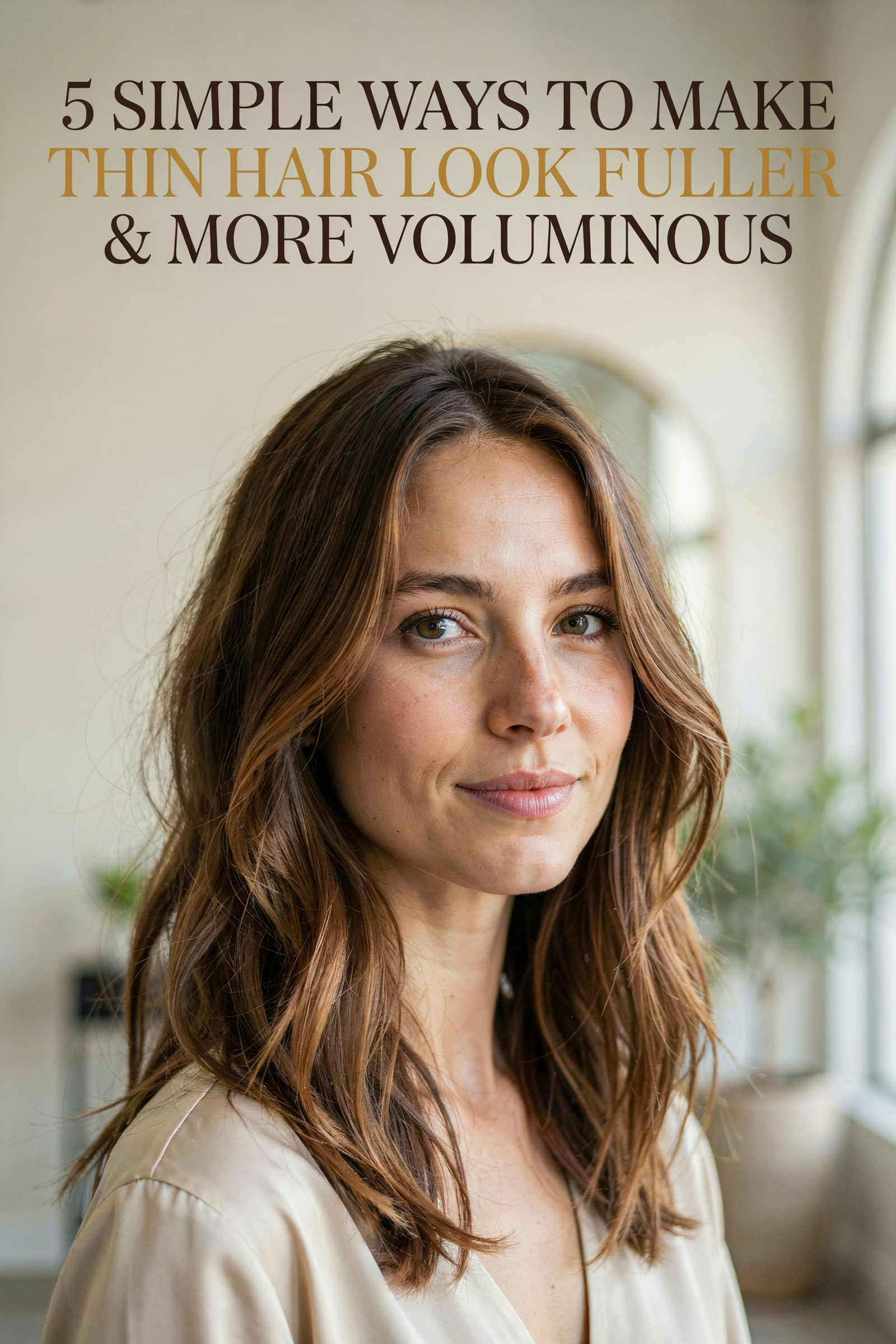
Thin hair can sometimes look flat, limp, or difficult to style, especially when it lacks natural volume. The good news is that you don’t need expensive salon treatments or complicated styling techniques to make your hair appear thicker. With the right haircut, styling methods, and hair care routine, you can create the appearance of fuller, more voluminous hair. Small changes in your daily habits can also make a noticeable difference in how your hair looks and feels. Here are five simple ways to give thin hair more body, lift, and natural-looking volume.
1. Choose a Haircut That Adds Natural Volume
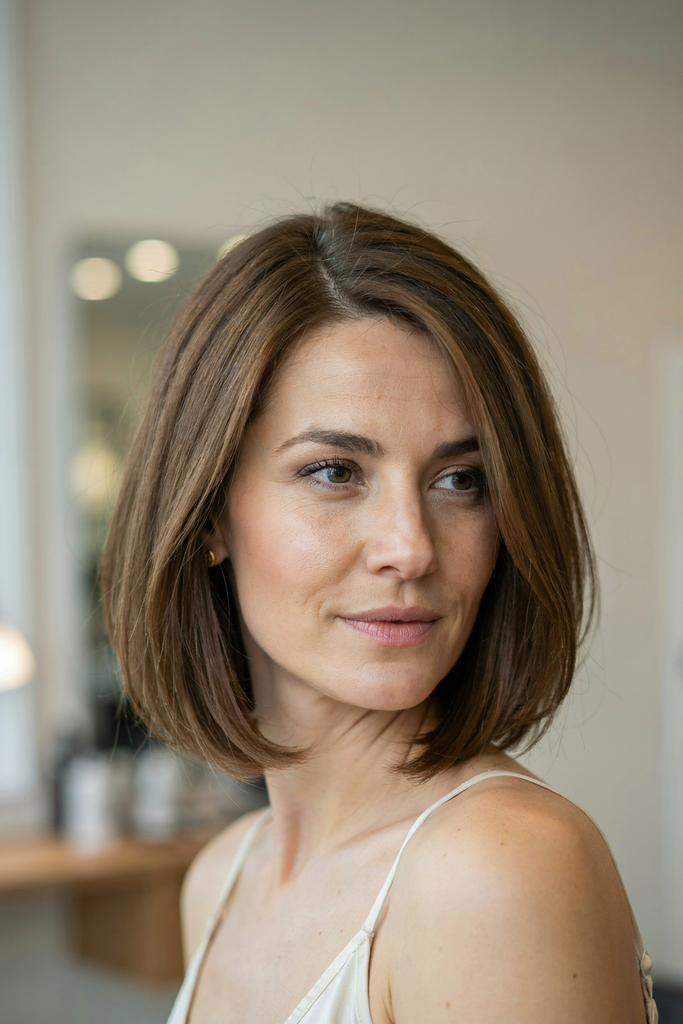
The right haircut can make thin hair appear noticeably fuller without requiring hours of styling. Blunt cuts, chin-length bobs, and soft layered hairstyles can create the illusion of thicker ends and more body. Extremely long hair may sometimes look flatter because its weight pulls the roots downward. Ask your hairstylist for a cut that suits your face shape, hair texture, and lifestyle. If you prefer longer hair, subtle layers can add movement without making the ends look too thin. A well-chosen haircut is one of the easiest ways to achieve a fuller-looking hairstyle.
2. Use Lightweight Volumizing Hair Products

Heavy shampoos, conditioners, and styling creams can weigh down fine or thin hair, making it appear flatter than usual. Choose lightweight volumizing shampoos and conditioners designed to add body without leaving excessive residue. Apply conditioner mainly to the mid-lengths and ends instead of concentrating it on the roots. A volumizing mousse or root-lifting spray can help create extra lift when applied before blow-drying. Start with a small amount of product because using too much can make your hair feel sticky or greasy. Remember that these products improve the appearance of volume rather than increasing the actual number of hair strands.
3. Blow-Dry Your Hair for Extra Lift
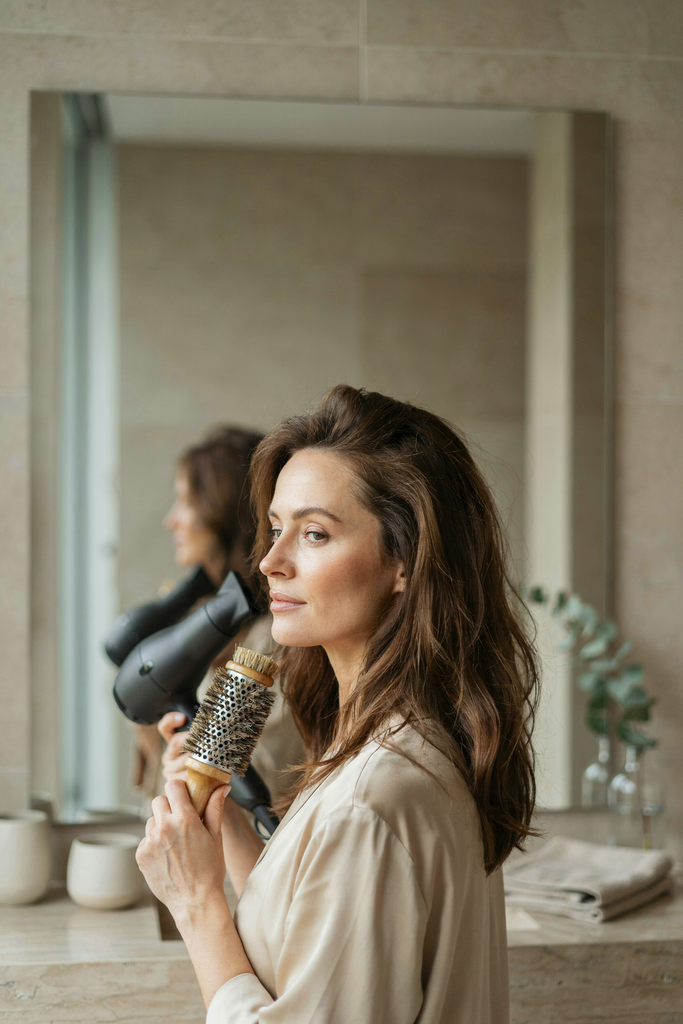
Blow-drying your hair correctly can make a significant difference when you’re trying to create a fuller look. After gently towel-drying your hair, apply a heat protectant and use a round brush or your fingers to lift the roots while drying. Direct the airflow toward the roots and move your hair in the opposite direction of its usual part for added lift. Use a low or medium heat setting to reduce unnecessary heat damage. Once your hair is dry, allow it to cool before arranging it into your preferred style. Avoid excessive heat and tension, as repeated rough styling can contribute to breakage over time.
4. Change Your Hair Parting and Styling Technique

One of the quickest ways to make thin hair look fuller is to change where you part it. If you usually wear a middle part, try a soft side part to create more height and movement at the roots. Switching your part occasionally can also help prevent your hairstyle from looking flat in the same areas every day. You can gently lift sections of hair at the crown with your fingers or use a wide-tooth comb to create a little extra body. Soft waves can add texture and make the hair appear more voluminous than a completely flat style. Avoid aggressive teasing or backcombing, which can cause tangles and damage if done frequently.
5. Maintain a Healthy Hair Care Routine

Healthy hair care habits can help thin hair look smoother, stronger, and easier to style. Wash your hair as often as needed for your scalp type, and rinse thoroughly to prevent product buildup that may weigh down your strands. Detangle gently with a wide-tooth comb, starting at the ends and working upward to reduce breakage. Limit frequent heat styling, tight hairstyles, and harsh chemical treatments that can weaken the hair. Eating a balanced diet with adequate protein, iron, and other essential nutrients supports normal hair growth. If you notice sudden or persistent hair thinning, consult a healthcare professional to identify possible underlying causes.
Note: This article is for informational and educational purposes only and does not constitute medical advice. If you are experiencing severe hair loss, scalp irritation, or underlying health issues, please consult a dermatologist or healthcare professional.